ARTICLE NO.185 | How to Match a Replacement Window Handle to Your Window Profile
ARTICLE NO.185 | How to Match a Replacement Window Handle to Your Window Profile
Replacing a broken or worn window handle seems straightforward—remove the old one, buy a new one, screw it into place. The reality is more complicated. Window handles are not universal. They are designed to fit specific window profiles, specific spindle lengths, and specific locking mechanisms. A handle that looks identical to the original may fail to operate the lock, may not fit the mounting holes, or may leave the window unable to close properly. Matching a replacement handle to the window profile requires understanding the critical dimensions and features that determine compatibility.
The Spindle Length Problem
The spindle is the square or splined shaft that connects the handle to the lock mechanism inside the window. Its length must match the window profile depth. A spindle that is too short will not reach the lock mechanism or will engage it inadequately. A spindle that is too long will protrude beyond the handle, preventing the handle from seating correctly against the window surface. Spindle length is determined by the profile system—the specific design of the window frame and sash extrusions. A handle from a different profile system may have a spindle length that differs by several millimetres, enough to prevent proper operation. When replacing a handle, the old spindle should be measured before ordering a replacement, or the replacement should be specified for the same profile system as the original window.
The Screw Hole Pattern
The mounting holes on a window handle must align with the holes already present in the window profile. These hole positions are determined by the profile system manufacturer and vary between systems. A handle with a different screw spacing cannot be installed without drilling new holes in the window frame—a modification that weakens the frame, may interfere with internal components, and usually voids the window warranty. The screw spacing is typically measured between the centres of the two mounting screws, but the overall footprint of the handle base also matters. A handle with a wider or longer base may overlap the window's weather seal or interfere with the sash operation. The old handle, and the holes it occupied, provide the most reliable template for a replacement.
Lock Mechanism Compatibility
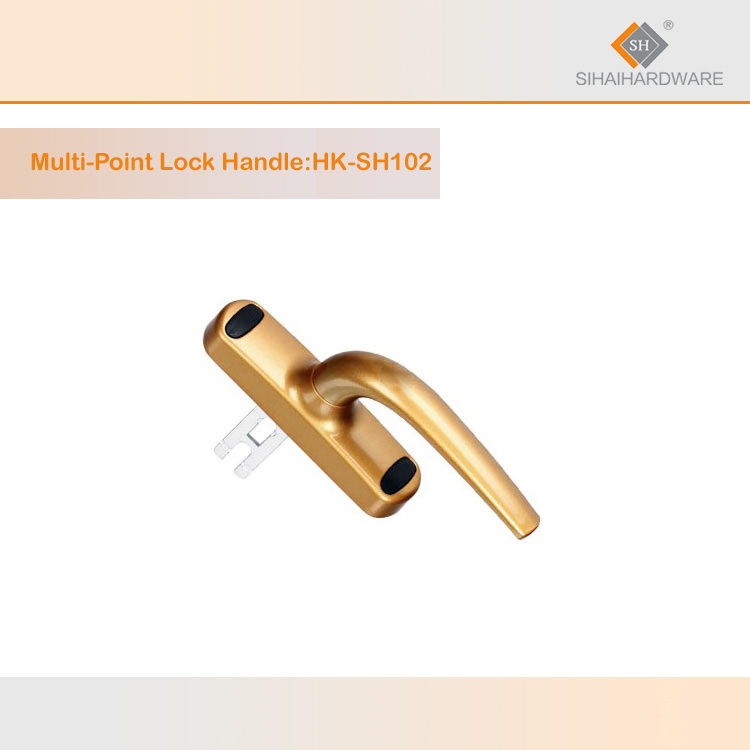
The handle does not operate in isolation. It drives a lock mechanism inside the window—a single-point latch, a multi-point locking system, or an espagnolette mechanism. Each mechanism requires a specific spindle engagement depth and a specific rotation angle. A handle designed for a single-point latch may not provide the rotation or torque required by a multi-point system. A handle designed for a different lock type may rotate the spindle to the wrong position, leaving the locking points only partially engaged. The replacement handle must be compatible with the lock mechanism already installed in the window. This information is usually specified by the profile system manufacturer, who publishes compatibility lists matching handle models to lock types.
The Fixing Method
Window handle designs use different fixing methods. Some are surface-fixed, with screws passing through the handle base directly into the window profile. Others use through-fixing, with bolts passing all the way through the window profile and threading into a backing plate on the opposite side. Some modern systems use clip-on or snap-on fixing, where the handle base clips onto a pre-installed mounting plate. Each fixing method requires different preparation of the window profile and different replacement hardware. A surface-fixed handle cannot be replaced with a clip-on model without modifying the window. The replacement must use the same fixing method as the original, or the window must be professionally adapted.
Handing and Orientation
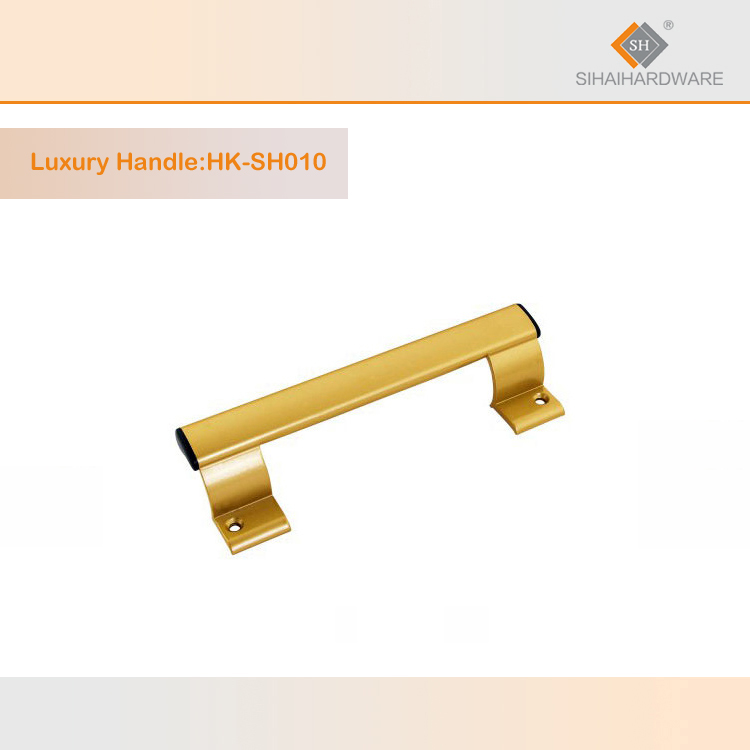
Window handle designs are often handed—specific to left-opening or right-opening windows. The handing determines which direction the handle lever points and which direction the spindle rotates to operate the lock. Installing a wrong-handed handle produces a window that operates backwards or not at all. Some handles are reversible, with a mechanism that can be reset during installation to suit either handing. Others are manufactured specifically for one orientation and cannot be reversed. The old handle's handing should be noted before ordering a replacement. The window's opening direction—left or right—and the handle's position on the window—top, bottom, or side—both affect the handing requirement.
Matching the Profile System
The most reliable way to ensure a replacement handle fits is to identify the window profile system and select a handle from that system's hardware range. Profile system manufacturers—companies that design the aluminium, uPVC, or timber extrusions from which windows are fabricated—also specify and supply the hardware that fits those extrusions. A handle from the same profile system is guaranteed to have the correct spindle length, screw spacing, locking compatibility, and fixing method. The profile system name is often printed on the window frame, on the hardware, or in the window's documentation. If this information is available, it simplifies the replacement process considerably. If the profile system cannot be identified, a hardware specialist can often identify it from photographs of the window profile cross-section and the old handle.
The Importance of the Old Handle
The removed handle is the single best source of information for selecting a replacement. Even a broken handle reveals its spindle length, screw spacing, fixing method, and handing. It may carry a manufacturer's name or part number that can be used to order an identical replacement. Before disposing of the old handle, it should be measured, photographed, and if possible, retained as a reference. The measurements that matter most are the spindle length from the handle base to the spindle tip, the spindle cross-section dimensions, the screw hole spacing, and the overall base dimensions. With these measurements, a hardware supplier can often match the old handle to a current equivalent, even if the original is no longer manufactured.
Common Pitfalls in Handle Replacement
Several mistakes recur in window handle replacement projects. Buying a handle based on appearance alone, without checking dimensions, is the most frequent error. A visually similar handle may differ in every functional dimension. Ignoring the spindle length, assuming that any handle will fit, is another common mistake that results in a handle that turns but does not operate the lock. Attempting to adapt a non-matching handle by drilling new holes or modifying the spindle creates problems that are more expensive to correct than simply buying the correct replacement. The lesson is consistent: the handle must match the window, not the other way around.
Conclusion
Matching a replacement window handle to a window profile is a matter of respecting the engineering that went into the original installation. The spindle length, screw spacing, lock compatibility, fixing method, and handing are all determined by the profile system. A replacement handle must match these parameters, not merely resemble the old handle visually. The safest approach is to identify the profile system and select a handle from that system's specified range. When that is not possible, careful measurement of the old handle provides the information needed to find a compatible replacement. A handle that fits correctly will operate the window properly and last as long as the original. A handle that does not fit will create problems from the first operation.