ARTICLE NO.160 | What Is a Concealed Window Hinge? The Hinge That Hides Inside the Frame
ARTICLE NO.160 | What Is a Concealed Window Hinge? The Hinge That Hides Inside the Frame
When a casement window swings open, the hinges on most windows are plainly visible. They sit on the surface of the frame and sash, their metal leaves and screw heads exposed to view. Concealed window hinges take a different approach. They are designed to disappear entirely within the frame profile when the window is closed, leaving nothing visible from inside or outside. This hidden installation is not merely an aesthetic preference—it changes how the hinge carries loads, how the window seals against weather, and how the hardware is protected from the environment.
Where the Hinge Lives
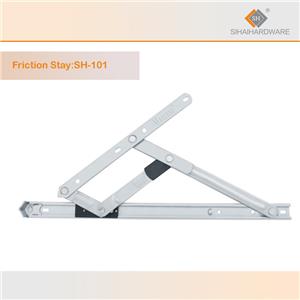
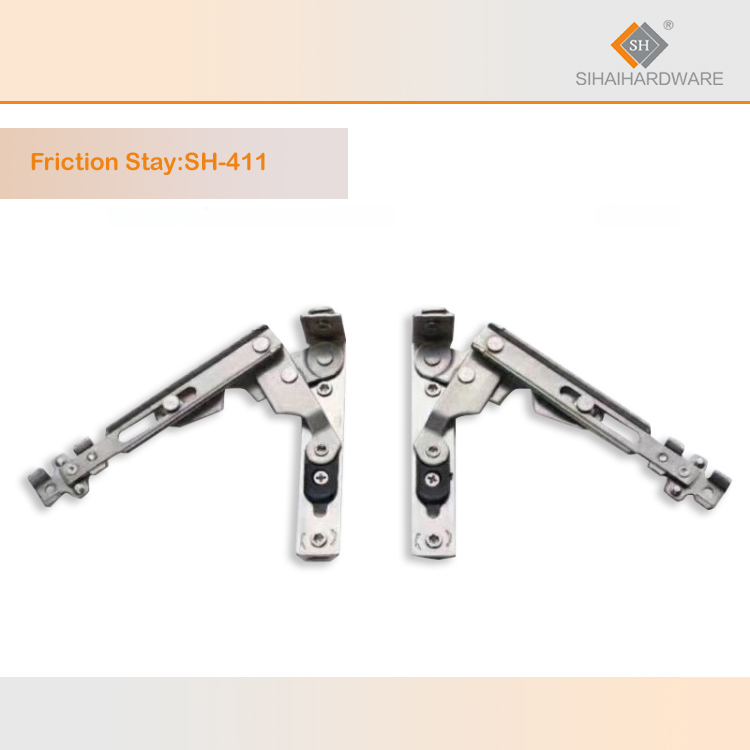
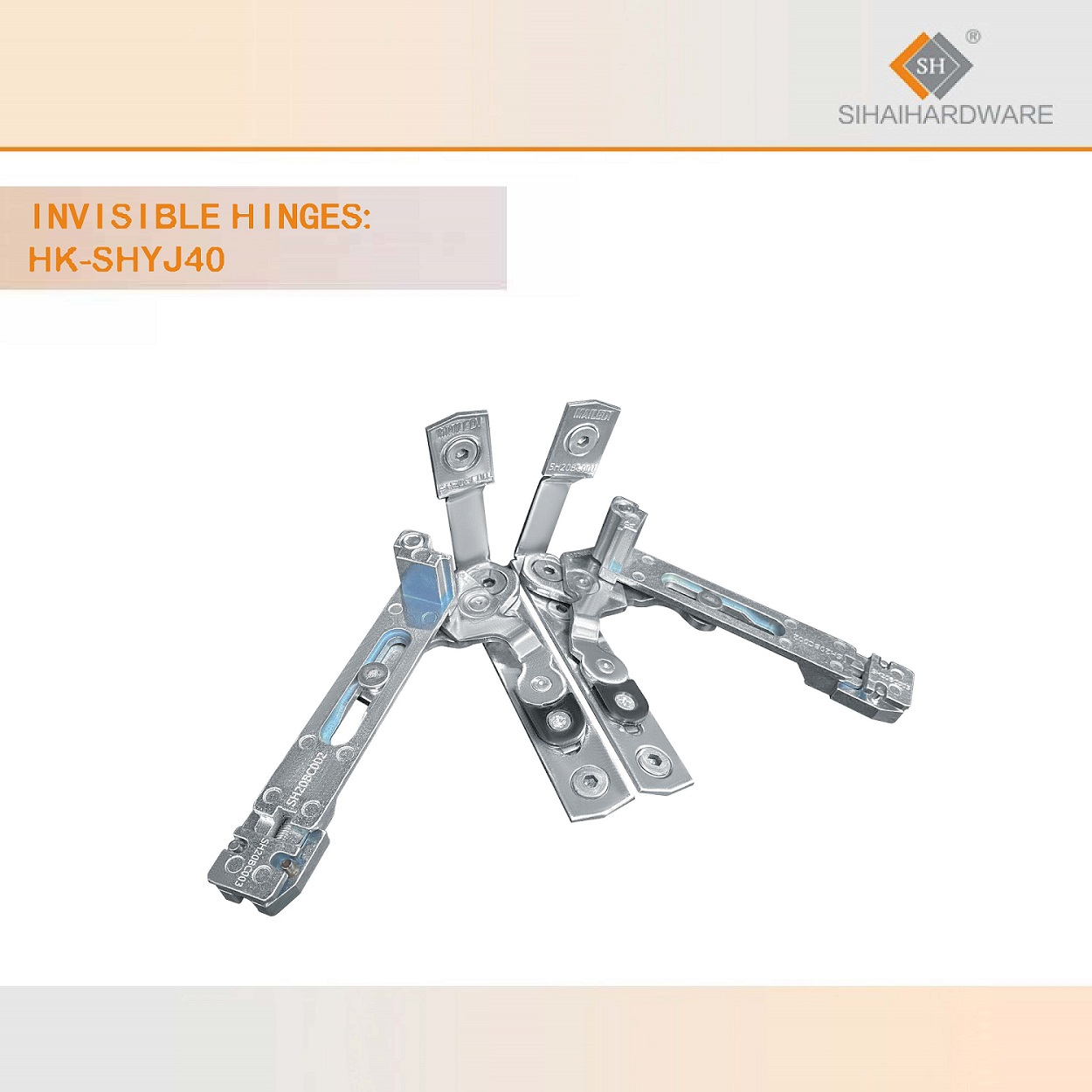
A concealed window hinge fits entirely within the narrow channel between the sash and the fixed frame. When the window is closed, the hinge folds into this cavity, hidden behind the overlapping sash profile. The track mounts inside a machined slot or an extruded channel in the frame, not on the visible face. The arm mechanism connects to the sash edge or to a bracket recessed into the sash profile. Nothing protrudes beyond the plane of the frame. This is fundamentally different from a surface-mounted friction stay, which bolts onto the interior face of the frame and remains visible whether the window is open or closed. The concealed design requires precise coordination between the hinge dimensions and the frame profile geometry—the hinge must fit within the available cavity without interfering with drainage channels, weather seals, or the glass unit itself.
How the Load Path Works
The load path in a concealed window hinge follows a different route than in a surface-mounted design. A surface-mounted hinge transfers the sash weight to the frame through fasteners loaded primarily in shear and tension. The fasteners are accessible and visible. A concealed hinge transfers the load deeper into the frame profile. The track is typically secured within a slot that provides mechanical interlock as well as screw fastening. The sash weight is distributed along the track length and into the walls of the frame extrusion. This deeper load transfer can be advantageous for heavy sashes, as it engages a larger section of the frame structure. However, it also means that the frame must be specifically designed or machined to accept the concealed hinge. A window frame extruded without the correct internal geometry cannot be retrofitted with concealed hinges without significant modification.
The Sealing Advantage
One of the strongest functional arguments for concealed window hinges concerns weather sealing. A surface-mounted hinge creates a gap in the weather seal where the hinge leaf passes from the frame to the sash. The seal must either be cut around the hinge or compressed beneath it, creating a potential leak point. A concealed hinge, hidden inside the frame cavity, allows the weather seal to run continuously around the entire perimeter of the sash without interruption. This uninterrupted seal improves resistance to air infiltration and water penetration, which is why concealed hinges are often specified for high-performance buildings, coastal installations, and projects targeting stringent energy efficiency standards. The hinge itself also benefits from its hidden location. Protected from direct rain, ultraviolet exposure, and airborne contaminants, a concealed hinge typically experiences less environmental degradation over its service life than an exposed surface-mounted equivalent.
Installation Complexity
Installing concealed window hinges demands greater precision than surface-mounted alternatives. The track must be positioned accurately within the frame slot, with alignment tolerances typically tighter than one millimetre. The sash bracket must be routed or machined into the sash profile at exactly the correct depth and angle. Any misalignment that would be tolerated by a surface-mounted hinge—where the installer can simply adjust the screw positions—becomes a functional problem in a concealed installation, where the hinge has no room to shift. This precision requirement affects both factory fabrication and on-site installation. Many window manufacturers machine the hinge slots during the profile cutting and machining stage, using computer-controlled equipment that ensures repeatable accuracy. On-site retrofitting of concealed hinges into existing frames is considerably more difficult and often impractical without specialised tooling.
The Clean Visual Result
The visual difference between a surface-mounted hinge and concealed window hinges is dramatic. A window equipped with concealed hinges presents an unbroken line of frame and sash, with no visible hardware interrupting the sightlines. This minimalist appearance aligns with contemporary architectural preferences for clean, uncluttered elevations. In high-end residential and commercial projects, where every visible detail is scrutinised, the absence of visible hinge hardware allows the focus to remain on the glazing and the view beyond. The concealed hinge also eliminates a common maintenance annoyance: paint buildup on visible hinge leaves, which occurs when window frames are painted after hardware installation. With no exposed hinge surface to paint around or accidentally seal shut, both initial finishing and repainting are simplified.
Security Implications
Concealed window hinges offer an inherent security advantage over surface-mounted designs. An exposed hinge on an outward-opening casement window presents accessible screw heads and a visible pivot point. A determined intruder can attack these exposed fasteners or attempt to drive out the hinge pin. A concealed hinge, recessed within the frame cavity with no visible fasteners when the window is closed, removes this attack surface. The hinge cannot be accessed without first forcing the window open or causing visible damage to the frame. For ground-floor windows and accessible upper-floor openings, this added security can be a significant factor in hardware specification, particularly in projects where visible security hardware such as locking handles or additional bolts is considered aesthetically undesirable.
Maintenance Considerations
A concealed window hinge that requires maintenance presents a different challenge than an exposed hinge. Surface-mounted hardware can be cleaned, lubricated, and if necessary replaced with relatively straightforward access. A concealed hinge, recessed within the frame cavity, requires removal of the sash to access the mechanism fully. This makes routine lubrication more difficult, though high-quality concealed hinges are typically factory-lubricated and sealed for life. If a concealed hinge fails and requires replacement, the repair is more involved than a surface-mounted equivalent. However, the protected environment within the frame cavity means that well-manufactured concealed hinges often outlast their exposed counterparts, requiring less frequent intervention over the life of the window.
Conclusion
Concealed window hinges represent a fundamentally different design philosophy from surface-mounted hardware. Where surface hinges accept visibility as a necessary consequence of function, concealed hinges treat invisibility as a design requirement equal in importance to load capacity and durability. Achieving this invisibility demands tighter manufacturing tolerances, more complex frame preparation, and greater care during installation. In return, the concealed design delivers an uninterrupted weather seal, improved resistance to environmental degradation, inherent security benefits, and the clean visual appearance that contemporary architecture increasingly demands. The hinge that hides inside the frame is not simply a hinge that has been moved out of sight. It is a hinge that has been rethought from the ground up, with concealment integrated into every aspect of its engineering.