ARTICLE NO.118|Supply Chain Considerations: OEM vs Aftermarket Friction Stays
ARTICLE NO.118|Supply Chain Considerations: OEM vs Aftermarket Friction Stays
Choosing between OEM and aftermarket friction stays affects procurement, installation, performance, warranty, and lifecycle costs for window hinges and related door and window hardware. This article explores the supply chain implications of selecting original equipment manufacturer (OEM) window friction stay hinges versus aftermarket alternatives, and explains how decisions influence inventories of window handles, joint pieces, and other system components.
Definitions and market roles
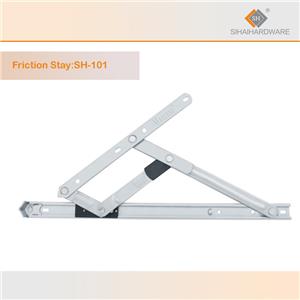
OEM friction stays: Supplied by the same manufacturer that originally produced the window or the specified hardware system. OEM window friction stay hinges, joint pieces, and window handles are usually designed to match the profile system and factory tolerances.
Aftermarket friction stays: Produced by third-party manufacturers or distributors. Aftermarket window hinges and window friction stay hinges can offer lower cost, broader availability, or alternative features but may vary in fit and performance.
Door and window hardware market: Includes window hinges, friction stays, joint pieces (linkages, arms, connectors), window handles, locks, and ancillary fasteners—products that must work together for proper operation.
Fit, compatibility, and interchangeability
Precise fit matters: OEM window friction stay hinges are made to the original design specifications, ensuring joint pieces and mounting interfaces match exactly. This reduces the risk of misalignment that can cause sash binding, increased wear, or seal failure.
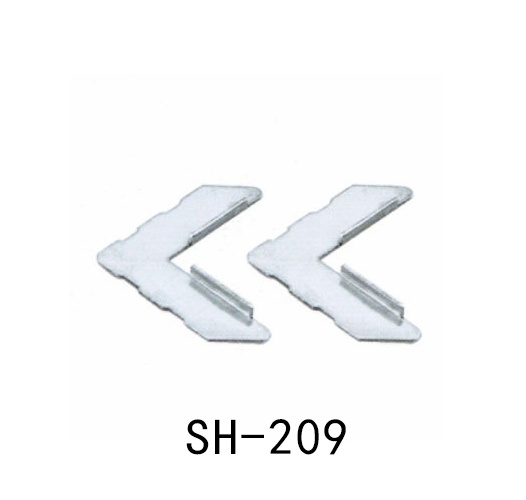
Aftermarket variability: Aftermarket window hinges and joint pieces may be designed to "fit most" profiles. While adaptable, they sometimes require modification, different fasteners, or reinforcing plates. Window handles and multipoint hardware sourced aftermarket can also differ in spindle lengths and tailpiece dimensions.
Risk mitigation: When replacing friction stays, confirm dimensional compatibility of joint pieces, screw positions, and window handles. Use templates or manufacturer datasheets to check hole patterns and sash weights before purchasing aftermarket items.
Quality, materials, and performance
OEM specification control: OEM window friction stay hinges are often produced to meet the original design’s material, finish, and performance standards. Joint pieces and window handles supplied with OEM kits are selected to match corrosion resistance and cycle life expectations.
Aftermarket grade range: Aftermarket friction stays span a wide quality range—from premium parts that match OEM metallurgy and finishes to low-cost imports with shorter lifecycle expectations. The choice affects the long-term performance of door and window hardware assemblies.
Testing and certification: OEM suppliers may provide test reports (cycle testing, salt spray) for window friction stay hinges and joint pieces. High-quality aftermarket vendors may also offer certifications—always request documentation for critical projects.
Pricing and total cost of ownership
Upfront vs lifetime cost: Aftermarket window hinges and friction stays are typically less expensive upfront. However, differences in durability of joint pieces, friction surfaces, and finishes can lead to higher replacement frequency, additional labor, and downtime.
Warranty and liability costs: OEM parts often carry clearer warranty terms for window friction stay hingesand associated window handles and joint pieces. Using aftermarket parts can affect warranty coverage from the window manufacturer and may expose installers to added liability for failures.
Bulk purchasing and distribution: Large fabricators may negotiate OEM pricing with volume guarantees. Distributors of aftermarket window hinges can offer competitive pricing, but reliability of supply and lead times must be considered in total cost planning.
Lead times, availability, and logistics
OEM supply chains: OEM friction stays for a specific window profile can have longer lead times if produced to order, particularly for bespoke sizes or finishes of window hinges and joint pieces. However, established OEM relationships can provide predictable release schedules for large projects.
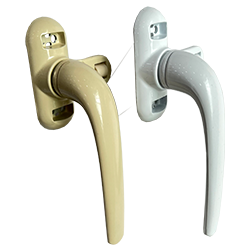
Aftermarket stock advantages: Aftermarket window friction stay hinges and window handles are often stocked by local distributors and wholesalers, enabling faster replacements and emergency repairs. Stocking common joint pieces simplifies field maintenance.
Risk of obsolescence: Window systems evolve—OEM designs may be discontinued as profiles change. Aftermarket vendors sometimes continue to produce "universal" joint piecesand window handlesfor legacy systems, easing maintenance of older buildings.
Quality control, traceability, and documentation
Traceability needs: For projects requiring traceable material and part provenance, OEM suppliers typically provide batch certifications and traceability for window friction stay hinges and critical joint pieces. This is important for large commercial or institutional projects.
Aftermarket traceability: Reputable aftermarket suppliers can supply similar documentation, but low-cost providers may lack batch control, making it harder to trace failures back to source components like window handles or specific hinge batches.
Inspection and acceptance testing: Whether OEM or aftermarket, buyers should require incoming inspections and sample cycle testing for window hinges and friction stays, and retain documentation for warranties and quality audits.
Standardization and modularity
OEM integration: OEM window friction stay hinges are usually part of a designed system—matching joint pieces, sash reinforcements, locking points, and window handles. System-level design reduces risk of component mismatch.
Aftermarket modular approaches: Some aftermarket suppliers design modular joint pieces and adjustable stays to fit multiple systems. This can simplify inventories for maintenance teams who service varied window and door hardwaretypes across different buildings.
Standard parts strategy: Facilities managers often maintain stocks of common aftermarket window hinges, joint pieces, and window handles to reduce mean time to repair and avoid custom orders for every failure.
Warranty, support, and service
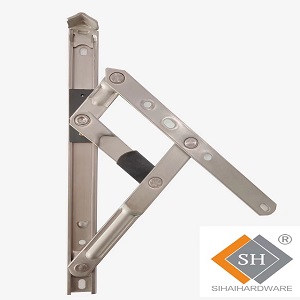
OEM support: OEMs usually offer technical support tied to the original window and door hardware system, helping specify correct window friction stay hinges and replacement joint pieces. This support can include fitment guides and recommended torque settings for window handles.
Aftermarket support: High-quality aftermarket vendors provide application engineering and fitment assistance; smaller distributors may offer limited technical backing. Evaluate the level of post-sale support needed for complex installations.
Training and documentation: OEMs may provide installer training for specific window hinge systems; aftermarket suppliers may provide general guidance but not system-specific training for joint pieces or matched window handles.
Regulatory, safety, and compliance considerations
Code compliance: For projects where safety restrictors, child-safety, or egress compliance is required, OEM window friction stay hinges and matching joint pieces are designed with certified performance in mind. Aftermarket parts must be checked for compliance before use.
Liability and certification: Using non-approved aftermarket window handles or friction stays in lieu of OEM-specified components can have regulatory or insurance implications for construction projects or refurbishment works.
Inventory strategy and lifecycle planning
Critical spares: Maintain OEM or aftermarket spare stocks of window friction stay hinges, joint pieces, and window handlesbased on failure history and lead time risk. Critical façade projects may require OEM-matched spares for uniform appearance and performance.
Standardization across estates: Facilities managers often standardize on a limited set of hinge types (OEM or reputable aftermarket) to simplify stocking of joint pieces and window handlesand to reduce training complexity for maintenance teams.
Obsolescence planning: Track product life cycles for both OEM and aftermarket window friction stay hinges; plan phased replacements if OEM parts are discontinued.
Supplier selection and qualification
Evaluate manufacturers on quality systems (ISO 9001), testing, and references for window friction stay hinges and joint pieces.
Request sample lots and perform accelerated cycle and corrosion testing where long-term performance is critical.
Assess financial stability and supply-chain transparency of suppliers—especially important for large projects requiring long-term spare parts.
Case examples and use-cases
New build spec: Architects and façade engineers frequently specify OEM window friction stay hinges and matching joint pieces and window handles to preserve manufacturer warranty and ensure system performance.
Refurbishment and maintenance: Facilities managers often use high-quality aftermarket window hinges and joint pieces to quickly replace failed parts across varied window brands—balancing cost and availability.
Coastal retrofit: Projects in corrosive environments may prefer OEM stainless or specified coated window friction stay hinges and joint pieces to guarantee finish and material standards.
Conclusion
The choice between OEM and aftermarket friction stays influences more than unit price: it affects compatibility, warranty, lead times, lifecycle costs, and risk management for window hinges, window friction stay hinges, door and window hardware, window handles, and joint pieces. For projects requiring exact fit, documented performance, and long-term warranty support, OEM parts are often preferred. For maintenance programs that need fast availability and lower upfront cost, reputable aftermarket suppliers can be a pragmatic choice—provided components are qualified, tested, and documented. Regardless of source, a disciplined supplier qualification process, strategic spare-part stocking, and clear documentation of compatibility will reduce downtime and extend the service life of window and door hardware assemblies.