ARTICLE NO.177 | Why Your Sliding Door Gets Harder to Open Over Time
ARTICLE NO.177 | Why Your Sliding Door Gets Harder to Open Over Time
A sliding door that once glided at a touch can gradually become a daily struggle. What began as effortless movement becomes a firm push, then a two-handed shove, and eventually a door that refuses to budge without real force. This decline is rarely sudden. It accumulates over months and years, each cycle adding an almost imperceptible amount of resistance until the door reaches a point where the user can no longer ignore it. The causes are specific and mechanical, rooted in the small components that carry the door's weight and guide its movement. Understanding why the door gets harder to open is the first step toward making it easy again.
Roller Degradation: The Primary Culprit
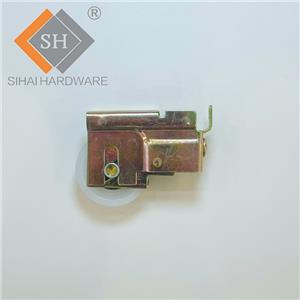
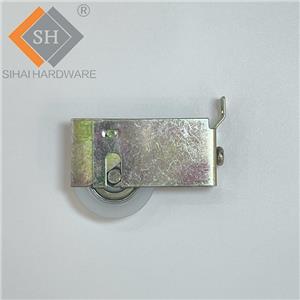
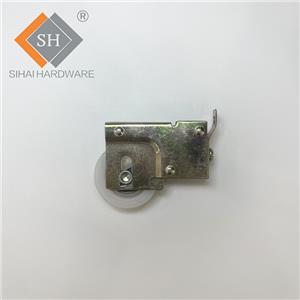
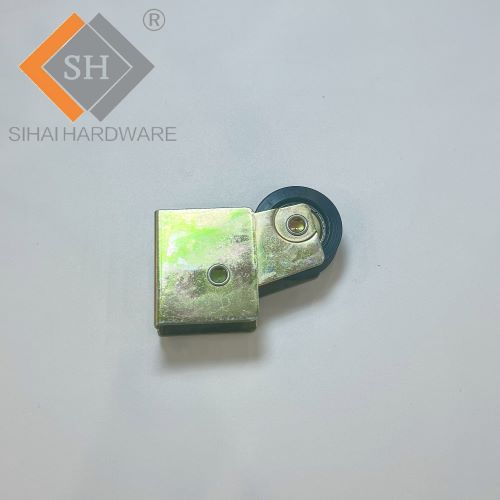
The roller assemblies inside a sliding door carry the full weight of the panel—often 80 kilograms or more for a double-glazed unit. Each roller contains a wheel that runs on a bearing, and both the wheel and the bearing degrade over time. The wheel tread, once smooth and round, develops flat spots from sitting in the closed position for long periods. The bearing, once packed with grease and spinning freely, loses its lubricant and accumulates microscopic wear particles. As the bearing degrades, it no longer rotates freely. The wheel begins to skid rather than roll across the track, and the rolling friction that made the door easy to move is replaced by sliding friction. The difference in required force is dramatic—sliding friction can be ten to twenty times higher than rolling resistance. The user experiences this as a door that has become mysteriously heavy.
Track Contamination and Debris
The track on which the roller runs is exposed to everything that enters the doorway. Dust, sand, pet hair, dead insects, and airborne grime settle onto the running surface. Some of this debris is swept aside by the passing wheel. Some becomes trapped between the wheel and the track, where it is crushed and compacted into a hard layer that effectively roughens the running surface. The wheel must now climb over or push through this debris layer with each pass. In exterior doors, the track also collects moisture, which combines with dust to form a sticky residue that increases adhesion between the wheel and the track. The track slot—the groove in which the wheel runs—can fill with enough compacted debris to narrow the channel, causing the wheel to bind against the sides. What was designed as a clean rolling surface becomes an obstacle course of contamination.
Frame Settlement and Misalignment
A sliding door is part of a building, and buildings move. Foundation settlement, thermal expansion and contraction, and even the gradual compression of framing materials can alter the geometry of the door opening. When the frame shifts, the track that was once perfectly straight and level develops subtle curves or slopes. The roller assemblies, mounted to the door panel, must now travel along a track that is no longer aligned with their plane of movement. The wheels bind against the track walls. The door must be forced past high spots where the track has risen or through narrow sections where settlement has pinched the track slot closer together. This misalignment also changes the load distribution between the rollers. A door designed to have its weight evenly shared across four wheels may now be effectively carried by two or three, overloading those rollers and accelerating their wear. The user feels the door catch, then release, then catch again as it traverses the distorted track.
Lubricant Breakdown
The sliding door roller bearing and track surfaces require lubrication to maintain low operating force. The original grease in the roller bearing breaks down over time through oxidation, thermal cycling, and contamination by wear particles and environmental dust. The oil component of the grease separates and migrates away, leaving behind a thickened soap base that provides little lubrication. On the track surface, any applied lubricant gradually becomes contaminated with dust and debris, transforming into a sticky paste that increases rather than decreases friction. Many sliding door tracks receive no maintenance lubrication at all during their service life, operating dry after the initial factory-applied lubricant has dissipated. A dry track against a dry wheel creates the highest possible rolling resistance for that material pair. The simple application of the correct lubricant can reduce operating force dramatically, but this basic maintenance step is frequently overlooked.
Worn or Damaged Guides
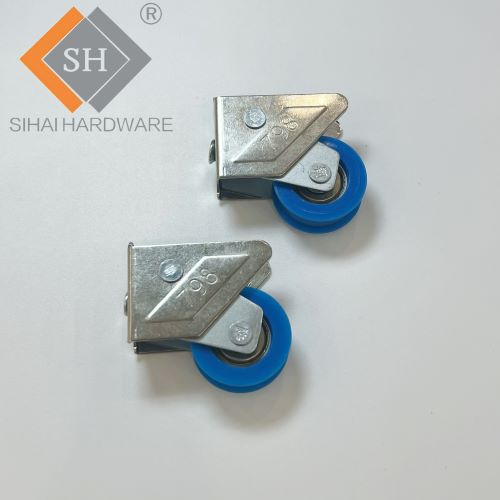
The guides that control the lateral position of a sliding door work in partnership with the rollers. When the guides wear, the door is no longer held in precise alignment with the track. The door panel can shift sideways, tilting the roller wheels so that they no longer run flat on their treads. A tilted wheel concentrates its load on one edge, increasing contact pressure and wear rate. It also increases rolling resistance because the wheel is effectively trying to climb the wall of the track slot. Worn guides can also allow the door to contact the frame directly, creating additional friction that the rollers must overcome. Guide problems are often misdiagnosed as roller problems because the symptom—a door that is hard to move—is the same. Close inspection of the guides for wear, looseness, or misalignment should accompany any roller inspection on a door that has become difficult to operate.
The Self-Reinforcing Cycle
The factors that make a sliding door hard to open do not act independently. They form a self-reinforcing cycle in which each problem makes the others worse. A degrading roller bearing increases rolling resistance, which requires more force to move the door, which increases the load on the bearing, which accelerates its degradation. Track contamination increases friction, which generates more wear debris, which adds to the contamination. Frame misalignment overloads some rollers, causing them to wear faster, which changes the door's alignment, which worsens the misalignment. This is why a door that has been easy to operate for years can seem to deteriorate rapidly once the first signs of stiffness appear. The degradation has crossed a threshold where the feedback loop takes over, and the rate of decline accelerates.
Breaking the Cycle Through Maintenance
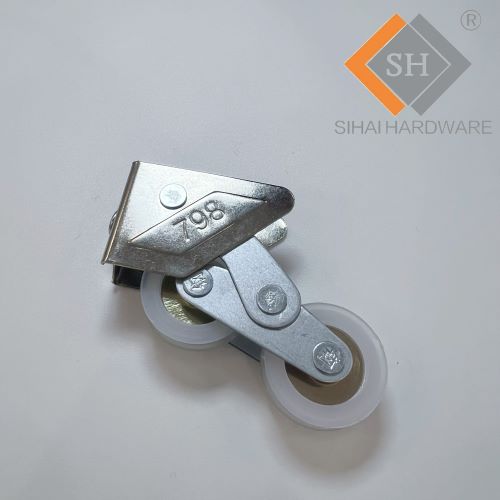
Interrupting the self-reinforcing cycle of sliding door degradation requires addressing all contributing factors, not just the most obvious one. The track must be thoroughly cleaned to remove all debris, compacted deposits, and old lubricant. A vacuum cleaner with a crevice tool is effective for removing loose debris from the track slot. Stubborn deposits may require a scraper—plastic or wooden, never metal—and a solvent-dampened cloth. The roller assemblies should be inspected for wheel wear, bearing condition, and freedom of rotation. Worn rollers should be replaced; they are consumable components and are not designed to last the full life of the door. The guides should be checked and adjusted or replaced if worn. After cleaning and any necessary replacement, the track and rollers should be lubricated with a product specifically formulated for sliding door hardware. A dry-film lubricant is generally preferred because it does not attract and hold dust the way wet oils and greases do. The door should be operated through its full range several times to distribute the lubricant evenly.
Conclusion
A sliding door that gets harder to open over time is not wearing out in some vague, inevitable way. It is suffering from specific, identifiable mechanical problems: degraded roller bearings, contaminated track surfaces, frame misalignment, worn guides, and absent or broken-down lubrication. These problems are interconnected, and they worsen each other over time. The door that requires increasing force to move today is sending a clear signal that its rolling system needs attention. Responding to that signal with systematic cleaning, inspection, and replacement of worn components restores the door to its original ease of operation. Ignoring it allows the self-reinforcing cycle to continue until the door becomes inoperable or a roller failure causes the door to derail. The force required to open a sliding door is a direct report on the health of its rolling hardware. When that force begins to rise, maintenance should begin.