ARTICLE NO.154 | Can You Fix a Loose Hinge by Changing Just the Screws?
ARTICLE NO.154 | Can You Fix a Loose Hinge by Changing Just the Screws?
A door that sags, scrapes the floor, or rattles in its frame often traces its problem to a loose hinge. The immediate and instinctive repair is to tighten the existing screws. When that fails—as it frequently does—the next step is to replace the screws with longer, thicker, or differently threaded alternatives. This approach sometimes works, but just as often provides only temporary relief before the same looseness returns. Understanding what actually happens when hinge screws loosen, and what role the surrounding structure plays, reveals whether a screw change alone can solve the problem or whether deeper intervention is required. In many cases, the hinge itself is not the root cause. The frame corner, reinforced by a Corner Brace, is where the real story begins.
Why Hinge Screws Loosen in the First Place
A hinge screw does not simply fall out. It loosens because the material it threads into has changed. In timber frames, seasonal moisture cycling causes the wood fibres around the screw to compress and relax repeatedly. Over time, the fibres lose their elasticity and no longer grip the threads with their original force. The hole effectively becomes larger than the screw, even though the visible surface may look intact. In aluminium frames, the situation is different but equally damaging. The relatively soft aluminium threads can strip if the screw was overtightened during installation or if the door has been subjected to repeated slamming. Once the threads are damaged, tightening the screw provides no additional clamping force—the screw simply spins in its stripped hole. In both materials, the fundamental problem is not the screw itself but the substrate that is supposed to hold it.
When Longer Screws Actually Work
Replacing a loose hinge screw with a longer one can be an effective repair, but only under specific conditions. The longer screw must reach beyond the damaged section of the substrate and engage fresh, undamaged material. In a timber door frame, this means the new screw must penetrate at least 10 to 15 millimetres beyond the bottom of the original screw hole. The fresh wood at that depth retains its full fibre strength and grip capacity. In an aluminium frame, a longer screw may reach a steel reinforcement channel embedded within the profile. The steel provides far better thread engagement than the aluminium surface layer. However, simply using a longer screw without verifying what it will engage is a gamble. If the substrate damage extends deeper than the new screw reaches, the repair will fail. If the longer screw encounters a thermal break, a drainage channel, or the edge of the profile, it can cause additional damage while providing no benefit.
When Longer Screws Make Things Worse
There are several scenarios in which changing screws alone not only fails to fix a loose hinge but actively worsens the problem. Using a screw with a larger diameter than the original forces the surrounding material to expand beyond its elastic limit. In timber, this can split the wood along the grain, creating a crack that propagates with every door cycle. The split dramatically reduces the timber's ability to hold any screw in that location, making future repairs increasingly difficult. In aluminium, forcing an oversized screw into an existing hole can distort the profile locally, pushing the frame out of alignment. This distortion may prevent the door from closing properly, creating a secondary problem that is more expensive to fix than the original loose hinge. Another common error is using a screw of the same length but a more aggressive thread profile. Coarse-thread screws designed for softwood will strip aluminium threads instantly, destroying whatever grip remained in the original hole.
The Role of the Frame Corner
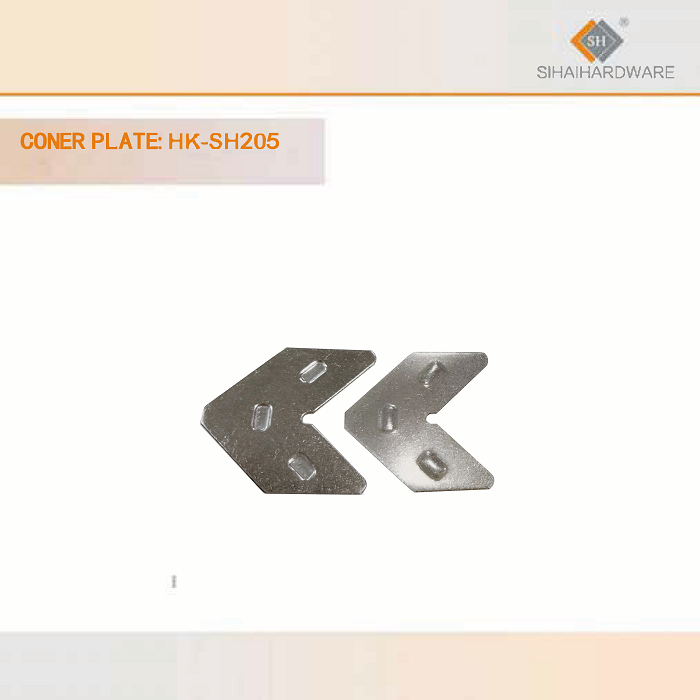
A loose hinge is often the symptom of a problem that originates elsewhere: the frame corner. The hinge transfers the door's weight into the vertical jamb, but that load must ultimately travel through the corner joint into the horizontal head and sill before reaching the building structure. If the corner joint has loosened—whether through failed welds in an aluminium frame, degraded adhesive in a timber frame, or simply repeated loading—the entire jamb can flex slightly with each door cycle. This flexing works the hinge screws back and forth, gradually enlarging their holes regardless of screw quality or installation torque. In aluminium frames, a Corner Brace inside the profile is the component that prevents this flexing. The Corner Brace ties the vertical and horizontal members together at their precise design angle, transferring loads across the joint without allowing movement. If the Corner Brace has loosened—its screws backing out, its alignment shifting—the frame corner becomes a flexible joint rather than a rigid one. The hinge screws then loosen repeatedly, no matter how many times they are replaced or upgraded, because the underlying structural instability remains unaddressed.
Diagnosing the Real Problem
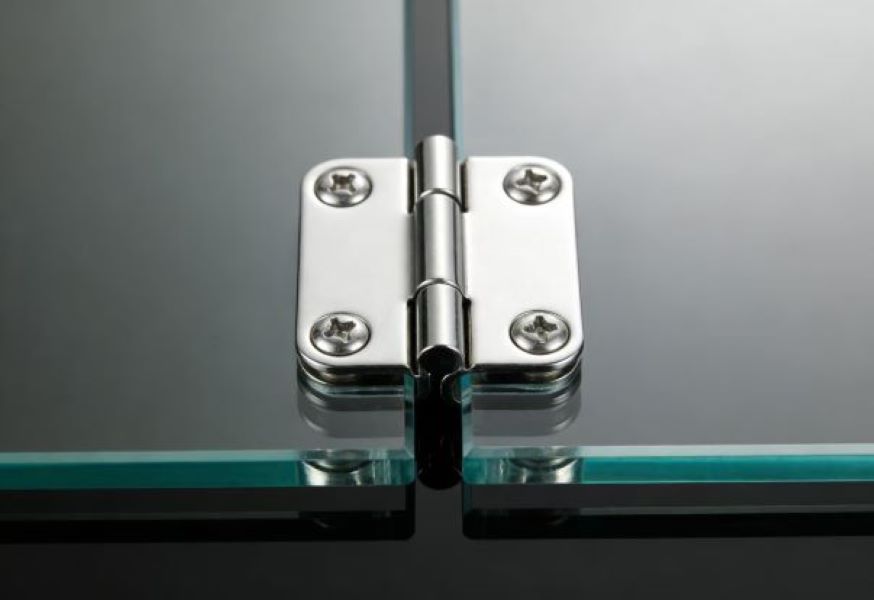
Before replacing hinge screws, a simple diagnostic sequence can identify whether the screws are the root cause or merely a symptom. Open the door to approximately 45 degrees and lift the handle end gently while watching the hinge side of the frame. Any visible movement between the jamb and the head or sill indicates a loose corner joint. Next, check the corner joint fasteners or welds for visible gaps, cracks, or rust staining that would indicate movement. In aluminium frames, remove any cover caps at the corner and inspect the Corner Brace screws. If they can be tightened, the corner joint was the source of the frame flexing. If they are tight but the joint still moves, the Corner Brace itself may be deformed or fractured. Only after verifying that the frame corners are rigid and stable should hinge screw replacement be attempted. If the frame is flexing, replacing hinge screws is a waste of time and hardware.
The Correct Repair Sequence
When hinge looseness is diagnosed as a screw-substrate problem rather than a frame problem, the repair sequence matters. Remove the old screw and inspect the hole. In timber, if the hole shows dark staining or soft, crumbled fibres, rot may be present and must be addressed before any screw can hold. Clean out loose material and treat with a wood hardener if the damage is minor, or cut out and replace the affected section if rot is extensive. If the timber is sound but the hole is enlarged, drill out the hole to a clean diameter and glue in a hardwood dowel. Once the glue has cured, drill a new pilot hole and drive the screw into fresh wood. This repair restores the timber's full holding capacity. In aluminium, if the threads are stripped, the repair options depend on the profile design. Some profiles accept threaded inserts that replace the damaged threads with a steel thread of the original size. Others require drilling and tapping for the next standard screw size, provided the profile has sufficient wall thickness. If neither option is viable, the hinge may need to be relocated slightly above or below the original position, where fresh substrate material is available. A Corner Brace in good condition provides the rigid foundation that allows any of these screw repairs to succeed over the long term.
When Replacement Is the Only Option
Some conditions cannot be repaired with new screws, dowels, or inserts, no matter how carefully the work is performed. If the hinge itself is worn—the knuckles have developed play, the leaves are bent, or the bearing surfaces are grooved—changing screws addresses the wrong problem. The hinge must be replaced. If the frame corner has suffered structural damage—a cracked aluminium Corner Brace, a split timber corner joint, or corrosion that has destroyed the fastening points—the frame itself requires repair before any hinge work can succeed. If the door has dropped so severely that the hinge leaves no longer align, forcing them back into position by tightening screws places the entire assembly under constant bending stress. The stress will eventually fatigue the screws, the hinge, or the frame. In this situation, the door must be rehung, which may involve planing the door edges, adjusting the hinge positions, or replacing the hinges entirely.
Conclusion
Changing the screws can fix a loose hinge, but only when the screws were the problem. If the substrate is damaged, the screws alone cannot restore the grip; the hole must be repaired or the hinge relocated. If the frame corner is flexing, no screw—regardless of length, diameter, or thread design—will stay tight for long. The frame must be stabilised first, and the Corner Brace inside the corner joint is the component that makes that stability possible. The lesson is straightforward: when a hinge loosens, look past the screw. Examine the hole it came from. Check the corner it is mounted near. The screw is only as strong as the structure that holds it, and that structure often needs attention before any screw can do its job.