ARTICLE NO.120 | Corner Codes: The Small Component That Holds Your Window Together
ARTICLE NO.120 | Corner Codes: The Small Component That Holds Your Window Together
A window frame is not a single piece of material. Whether made of aluminum, UPVC, or steel, the frame is assembled from multiple lengths of profile cut at precise angles and joined at the corners. The strength of those corners determines the strength of the entire window. And at the heart of every strong corner is a small, often overlooked component: the corner code, also known as the corner bracket or corner connector.
This article examines the critical role of corner codes in window construction, the different types available, the materials used in their manufacture, and how to select the right corner code for specific applications.
What Is a Corner Code?
A corner code is a metal or plastic fitting inserted into the hollow cavities of window frame profiles at the corners. Its purpose is to connect the two profile sections, hold them at the correct angle, and transfer loads from one side of the frame to the other. Without a corner code, the frame corners would be weak, prone to separation, and unable to maintain the precise geometry required for proper window operation.
The name "corner code" comes from the notches or "codes" cut into some designs, which engage with corresponding features inside the profile to lock the connection in place. In modern window manufacturing, corner codes are used in virtually every type of framed window, from basic residential units to high-end commercial systems.
The corner code is typically inserted into the profile ends before they are joined. Once both profile sections are in place, the corner is secured by crimping, screwing, or welding, depending on the window system. The code remains inside the frame, invisible once the window is complete, but its presence is felt every time the window is opened, closed, or subjected to wind and weather.
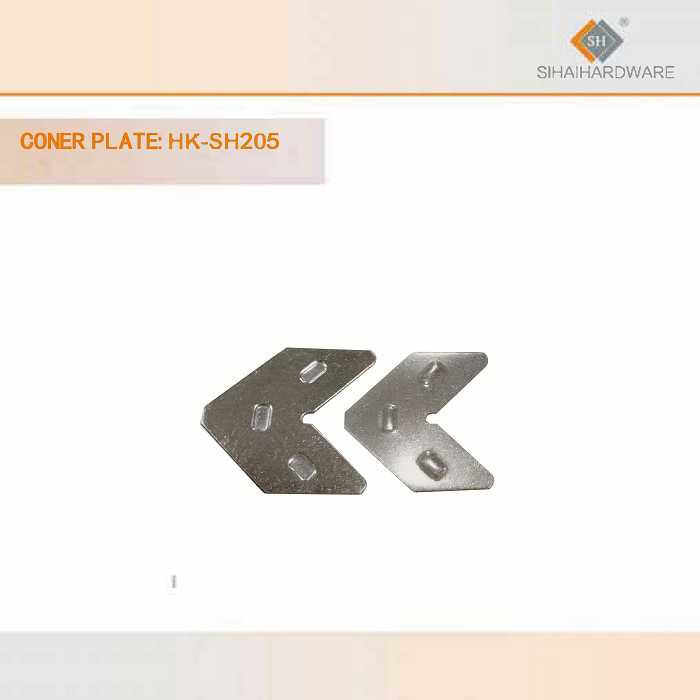
The Structural Role of Corner Codes
The primary function of a corner code is structural. A window frame must resist several types of forces throughout its service life, and the corners are the most vulnerable points in that frame. Compression forces act on the frame when the window is closed and locked, creating stress at the corners that the corner code must resist to prevent the frame from bowing outward. Tension forces occur when the window is opened, as the weight of the sash pulls downward on the hinges, which in turn pull on the frame corners. Shear forces act across the corner joint when the frame is subjected to wind pressure or when someone pushes against the window, and the corner code must resist these lateral forces to keep the corner square and true. Torsional forces twist the frame when forces are applied unevenly, such as when a gust of wind strikes one corner of the window, and the corner code plays a key role in distributing this torsional load across the joint.
In all these cases, the corner code acts as the primary load path from one profile section to the next. A weak corner code allows movement at the joint, which leads to frame distortion, air and water leakage, and premature failure of other components such as hinges and locks.
Materials Used in Corner Code Manufacturing
The choice of material for a corner code directly affects its strength, durability, and suitability for different applications. Three materials dominate the market: zinc alloy, aluminum, and stainless steel.
Zinc alloy is the most common material for corner codes in residential windows. It offers a good balance of strength and cost, making it suitable for standard applications where extreme loads are not expected. Zinc alloy corner codes are typically produced by die casting, a process that allows complex shapes with precision features. However, zinc alloy is relatively brittle compared to steel and susceptible to corrosion in harsh environments. For these reasons, zinc alloy corner codes are best suited for residential windows in protected locations.
Aluminum corner codes are common in aluminum window systems. Since the frame itself is aluminum, using an aluminum corner code ensures material compatibility and eliminates concerns about galvanic corrosion. Aluminum corner codes are lightweight, simplifying handling during assembly. The primary limitation of aluminum is its relatively low strength compared to steel, making it less suitable for large windows or high-wind applications.
Stainless steel corner codes represent the premium option for demanding applications. They offer the highest strength of any corner code material, making them suitable for large windows, high-wind regions, and commercial installations. Stainless steel provides excellent corrosion resistance, even in coastal environments where salt spray would quickly degrade other materials. The main drawbacks of stainless steel corner codes are cost and weight, but for applications where reliability is critical, the additional cost is easily justified.
Corner Code Configurations
Corner codes come in several configurations, each suited to different window types and manufacturing processes. The most common is the standard L-shape, which fits into the hollow cavities of two profile sections meeting at 90 degrees. Standard L-shaped corner codes rely on mechanical fastening—either crimping or screws—to hold the joint together.
Interlocking corner codes incorporate features that lock the two legs together, creating a more rigid joint without relying entirely on external fasteners. These are more expensive to produce but offer superior performance for larger windows or applications where vibration is a concern.
Adjustable corner codes are designed to accommodate slight variations in profile dimensions or assembly tolerances, using sliding or telescoping legs that can be lengthened or shortened before the joint is secured. They are particularly useful in field assembly situations where precision cutting is difficult.
Reinforced corner codes incorporate additional material at the stress points, including thicker sections, gussets, or ribs that increase resistance to bending. They are specified for windows in high-rise buildings, hurricane-prone regions, and other demanding environments, and are typically made from stainless steel or high-strength zinc alloy.
Selecting the Right Corner Code
Choosing the appropriate corner code for a window requires consideration of several factors. The corner code material should be compatible with the frame material to avoid galvanic corrosion. For aluminum frames, aluminum or stainless steel codes are appropriate. For steel frames, steel or stainless steel codes are recommended. For UPVC frames, zinc alloy or stainless steel codes are common.
Larger and heavier windows place greater demands on corner codes. As sash weight increases, the forces transmitted through the corners also increase. For windows exceeding approximately 1.2 meters in width or height, stainless steel or reinforced corner codes are recommended.
Windows in coastal areas, high-humidity environments, or industrial zones require corner codes with enhanced corrosion resistance. Stainless steel, particularly Grade 316, is the preferred choice for these applications. Building codes in many regions specify wind load requirements that windows must meet, and the corner code must be capable of resisting the design wind loads without permanent deformation or failure.
Conclusion
The corner code is a small component that plays an outsized role in window performance. It transfers loads, maintains alignment, and ensures the frame remains square and true throughout the window's service life. A poorly chosen or improperly installed corner code will lead to frame distortion, air and water leakage, and premature failure of hinges, locks, and other hardware.
Selecting the right corner code requires attention to frame material, window size, environmental exposure, and wind load requirements. Zinc alloy codes are suitable for standard residential applications. Aluminum codes are appropriate for aluminum frames in moderate conditions. Stainless steel codes are recommended for large windows, harsh environments, and commercial installations.
When specified and installed correctly, the corner code disappears into the frame, doing its job silently and reliably for decades. It is not a glamorous component, but it is one of the most important. A window is only as strong as its corners, and the corners are only as strong as their codes.