ARTICLE NO.116 | Door and Window Hardware: Selection Criteria and Performance Considerations
ARTICLE NO.116 | Door and Window Hardware: Selection Criteria and Performance Considerations
Handles and locks are among the most frequently used building components, yet they receive remarkably little attention during the specification process. A typical interior door handle or window operator may be used tens of thousands of times over its service life, serving as the primary interface between building occupants and the assembly. Despite this constant use, these components are often selected based on appearance alone, with insufficient consideration given to material quality, mechanical durability, or long-term performance.
This article outlines the key factors that should inform the selection of door and window hardware for commercial and residential applications.
Functional Classification of Window Hardware
Window hardware falls into several functional categories based on the window type and operating mechanism. Three common types deserve particular attention.
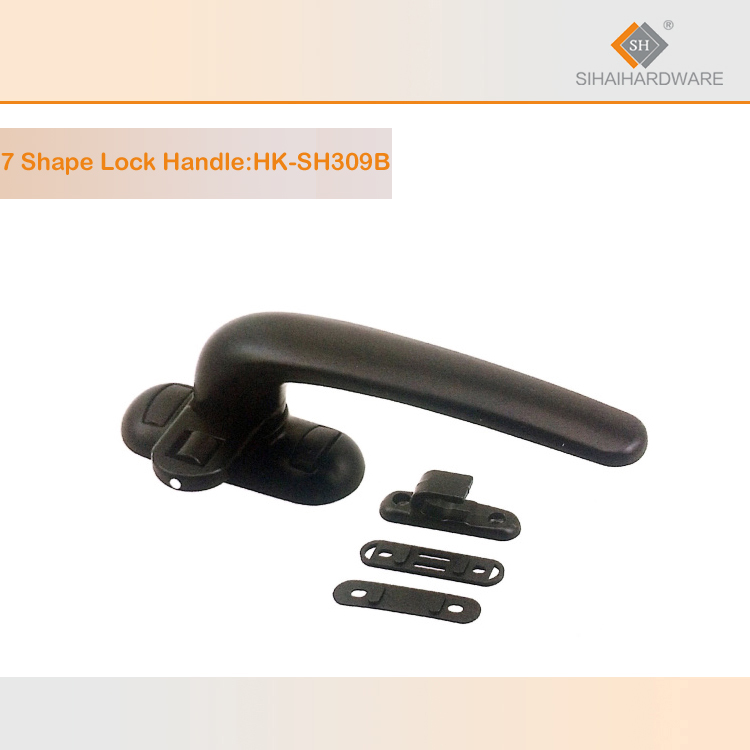
A casement handle is specifically designed for casement windows, which hinge outward from the frame. Unlike sliding window hardware, the casement handle incorporates a locking mechanism that engages with a striker plate mounted on the window frame. When rotated, the handle drives a cam or gear mechanism that pulls the sash tightly against the weather seal.
The casement handle must withstand repeated torque applications while maintaining precise alignment. Quality casement handles use stainless steel or solid brass internal components, with the exterior finish applied over corrosion-resistant base materials. The handle should operate with a positive detent feel, providing clear tactile feedback when fully locked or unlocked.
Common failure modes include worn gear teeth, seized pivot points, and finish degradation from UV exposure. Commercial-grade casement handles are rated for thousands of cycles and should be specified for high-use applications.
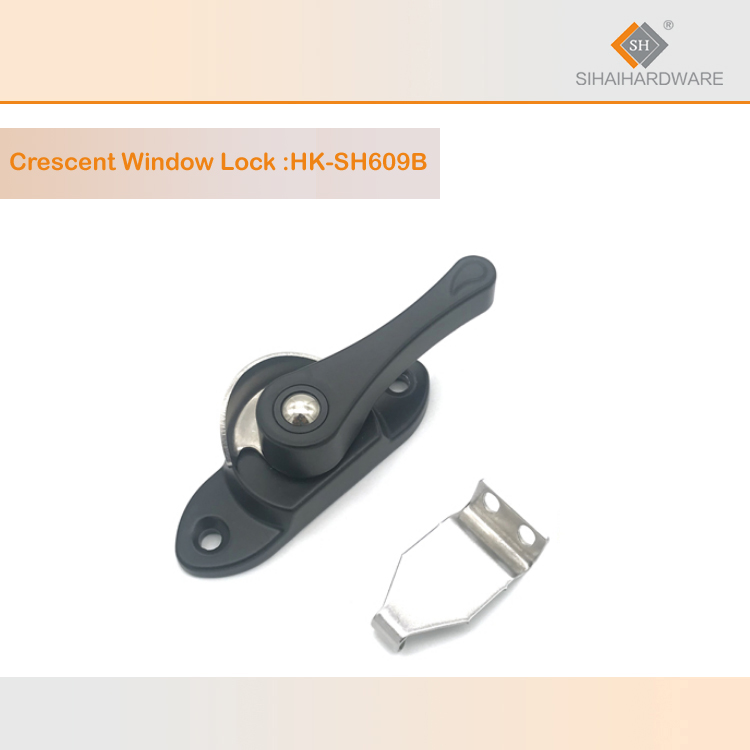
A crescent lock, also known as a cam lock or half-moon lock, is the standard locking mechanism for sliding windows and sliding doors. The lock derives its name from the crescent-shaped cam that rotates into engagement with a keeper mounted on the opposing frame.
The crescent lock operates through a simple turning motion. When the key or thumb turn is rotated, the cam swings into position behind the keeper, preventing the window or door from sliding open. The lock's holding force depends on the cam material, the keeper engagement depth, and the overall alignment of the sliding assembly.
Quality crescent locks use zinc alloy or stainless steel cams with precision-machined engagement surfaces. The housing should be securely fastened to the window frame, with screws that resist loosening from vibration and repeated use. For ground-floor applications or security-sensitive installations, specifiers should consider crescent locks with keyed cylinders rather than simple thumb-turn operation.
A sliding pull handle is mounted on the moving sash of a sliding window or sliding door. Unlike casement handles, the sliding pull handle typically does not incorporate a locking mechanism. Its primary function is to provide a secure grip for the user to push or pull the sash along its track.
Sliding pull handles come in two main configurations: surface-mounted and recessed. Surface-mounted handles project from the sash surface, offering a full-hand grip but potentially interfering with blinds or curtains. Recessed handles sit flush with the sash surface when not in use, providing a cleaner appearance and eliminating protrusions.
The sliding pull handle must withstand significant pulling and pushing forces, transmitted through the handle base to the sash. Quality handles use through-bolt fastening rather than simple wood screws, distributing load across a wider area and preventing the handle from loosening over time. Material selection should consider exposure to hand oils, cleaning chemicals, and environmental conditions.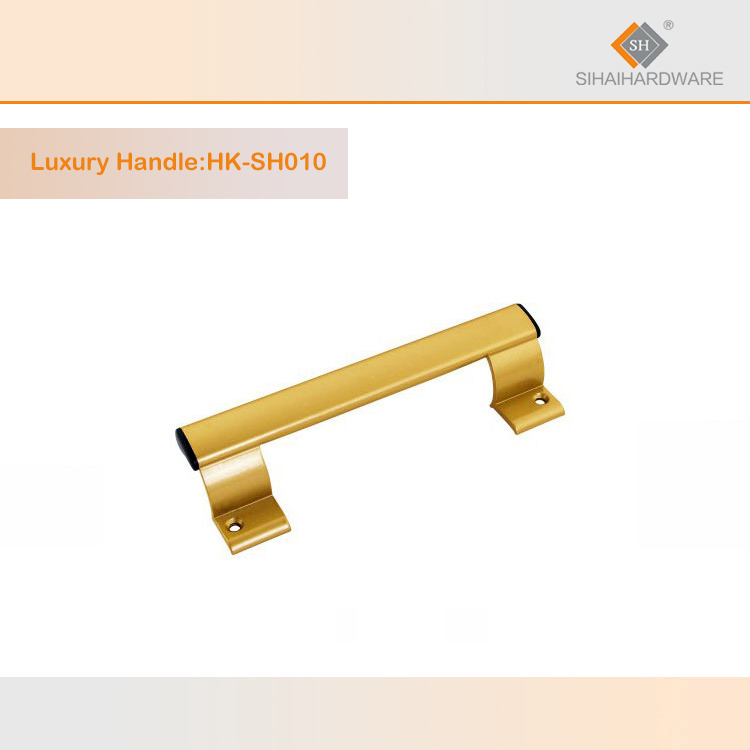
Functional Classification of Door Hardware
Door handles generally fall into two functional categories: lever handles and knob handles. Each type offers distinct operational characteristics.
Lever Handles operate through a downward pushing motion, which engages the latch mechanism. This design requires minimal manual dexterity and can be operated effectively using an elbow, wrist, or forearm. For this reason, lever handles are specified in most commercial buildings and are required for compliance with accessibility standards in many jurisdictions.
Knob Handles require a twisting motion to retract the latch. This demands a firm grip and greater manual coordination, which may present challenges for some users, including the elderly or those with limited hand strength. However, knob handles remain common in residential settings and are less prone to catching on loose clothing.
Material Specifications
The base material of handles and locks directly determines strength, corrosion resistance, and service life. Several material grades are commonly used.
Stainless steel offers excellent corrosion resistance and mechanical strength. Grades 304 and 316 are standard for architectural hardware, with Grade 316 providing enhanced protection against chloride-induced corrosion, making it suitable for coastal or high-humidity environments.
brass provides a traditional aesthetic and good durability. Solid brass components will not peel or flake. Over time, unfinished brass develops a natural patina that some specifications require for period-appropriate buildings.
Zinc alloy is frequently used in mid-range and economy hardware. While zinc alloy can be manufactured with complex shapes, the material is softer than steel or brass and more susceptible to wear and impact damage.
Installation Requirements
Proper installation is essential to hardware performance. Misalignment results in increased operating force, accelerated wear, and eventual mechanical failure.
For casement handles, the handle spindle must align precisely with the gearbox or cam mechanism. For crescent locks, the cam must engage the keeper at the correct depth and angle. For sliding pull handles, through-bolt fastening is recommended over wood screws for high-use applications.
Life Cycle Cost Analysis
The initial purchase price of hardware represents only a fraction of its total life cycle cost. Replacement labor, downtime, and procurement costs must all be considered.
A Grade 1 commercial handle may cost two to three times as much as a Grade 3 residential handle. However, the Grade 1 handle will typically last five to ten times as long in high-traffic applications. For large-scale projects, upgrading from Grade 2 to Grade 1 hardware is generally justified by reduced maintenance frequency and extended replacement intervals.
Conclusion
Handles and locks are specified more often by appearance than by performance criteria, yet their mechanical reliability directly affects user satisfaction and long-term operating costs. Whether selecting a casement handle for outward-opening windows, a crescent lock for sliding assemblies, or a sliding pull handle for patio doors, specifiers are advised to consider material grade, mechanical durability, and installation requirements as primary selection criteria.
A component that performs well for its intended service life while maintaining acceptable appearance represents the optimal balance of first cost and life cycle value.