ARTICLE NO.169 | The Difference Between a Roller and a Guide (They Work Together)
ARTICLE NO.169 | The Difference Between a Roller and a Guide (They Work Together)
A sliding door moves along its track with apparent simplicity, but two distinct types of hardware make this motion possible. The weight of the door is carried by rollers, while its lateral position is controlled by guides. These two components are often confused with each other, and the confusion leads to misdiagnosed problems. A door that is difficult to slide may have perfectly functional rollers and badly worn guides. A door that rattles in its track may need guide adjustment, not roller replacement. Understanding what each component does—and does not do—is the first step toward correct maintenance and specification.
What a Roller Does
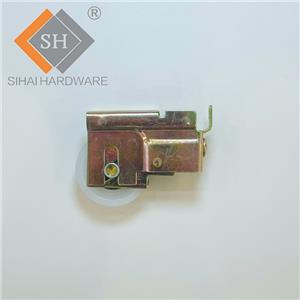
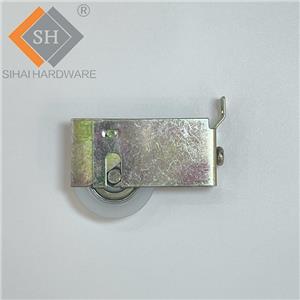
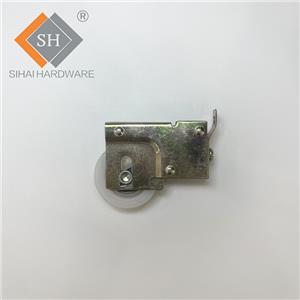
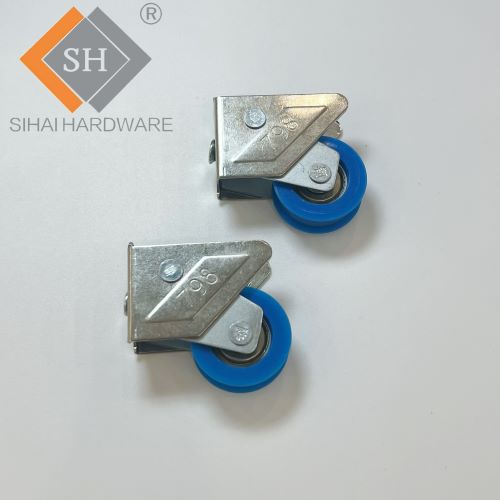
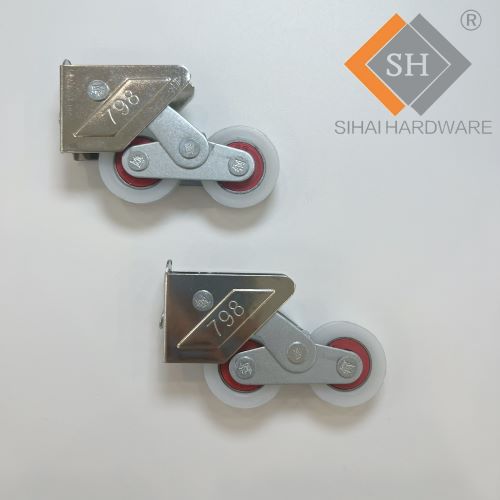
A roller has one primary function: supporting the vertical weight of the sliding door panel. Every kilogram of glass, frame, and hardware presses down through the roller assemblies into the track. The roller converts what would otherwise be a sliding friction load into rolling resistance, reducing the force required to move the door by approximately 90 to 95 percent compared to dragging the same weight across the same surface. The roller does this by providing a rotating wheel that maintains continuous contact with the track while the door moves. The wheel is mounted on a bearing that allows free rotation, and the bearing is housed in an assembly that attaches to the door panel. The roller is a load-bearing component. Its design parameters—wheel diameter, tread width, material hardness, bearing type—are all driven by the weight it must carry and the number of cycles it must endure.
What a Guide Does
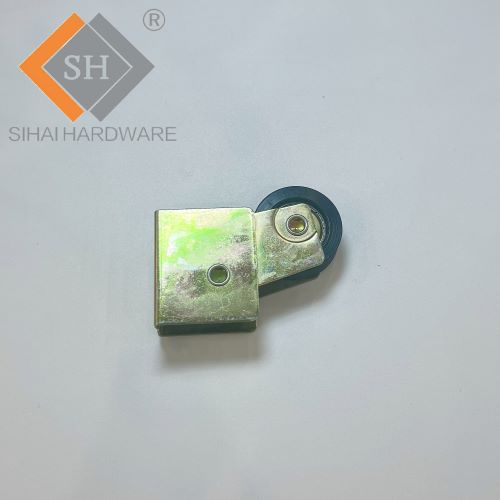
A guide performs an entirely different function. It does not carry the weight of the door. Its job is to control the lateral position of the door panel within the track, preventing the door from swinging away from or into the frame. Guides are typically non-load-bearing blocks or wheels mounted at the bottom corners of the door or at the top edge, running in a channel or against a rail that constrains side-to-side movement. In some sliding door systems, the guide also prevents the door from being lifted out of its track—a security and safety function. Guides experience lateral forces when the door is pushed from the side or when wind pressure acts on the door face, but they are not designed to carry vertical load. A guide that is forced to carry weight—because a roller has failed or because the door has sagged—will wear rapidly and eventually fail.
Why Both Are Needed
A sliding door supported only by rollers would be unstable. The door could swing laterally at its bottom edge, striking the frame or coming out of its track entirely. A door constrained only by guides would be nearly impossible to move, because the full weight of the panel would drag along the guide surfaces with sliding friction. The combination of rollers and guides divides the mechanical problem of door movement into its vertical and horizontal components, solving each with a component optimised for that specific task. The rollers handle the vertical load with rolling resistance. The guides handle the lateral constraint with low-friction sliding or secondary rolling contact. This division of labour is what makes a heavy glass door operable by a child—each component does only what it is designed to do, and neither is asked to perform the other's function.
Identifying Which Component Has Failed
When a sliding door develops problems, identifying whether the roller or the guide is at fault saves time and replacement cost. A door that is heavy to move, rumbles during travel, or has visible wheel damage almost certainly has a roller problem. A door that moves easily but swings, rattles, or strikes the frame during travel likely has a guide problem. A door that has dropped and drags on the track has a roller problem—the roller has lost its ability to support the door at the correct height. A door that is difficult to keep in its track or that tilts when operated has a guide problem. Some symptoms can result from either component: a door that jumps or derails could have worn rollers that no longer hold the track properly, or worn guides that no longer constrain the door's lateral position. In these cases, inspecting both components is necessary.
Maintenance Requirements
Rollers and guides have different maintenance needs because they experience different types of wear. A roller wears primarily through rolling contact fatigue and bearing degradation. The wheel tread gradually loses material, the bearing accumulates wear particles, and the lubricant breaks down. Roller maintenance consists of cleaning the track to remove debris that accelerates wheel wear, lubricating bearings if they are serviceable, and replacing roller assemblies when wear exceeds acceptable limits. Guides wear primarily through sliding friction against their running surfaces. Nylon or polymer guide blocks slowly abrade, developing flat spots or grooves. Guide maintenance consists of cleaning the guide channels, checking for loose fasteners, and replacing guide blocks when they are visibly worn. Adjustable guides should be checked for correct clearance—too tight, and they create unnecessary friction; too loose, and they allow the door to rattle.
The Interaction Between Roller and Guide
The performance of rollers and guides is interdependent. A worn roller that allows the door to sag will force the guide to carry some of the door's weight—a load it was never designed to support. The overloaded guide will wear rapidly, and the door will develop both roller and guide problems simultaneously. Conversely, a misaligned guide that pushes the door against one side of the track will increase the lateral load on the roller bearings, accelerating bearing wear and potentially causing the roller to track unevenly. This interdependence means that both components should be inspected and serviced together. Replacing only the rollers on a door with worn guides may provide temporary improvement, but the worn guides will compromise the new rollers' performance and service life. A complete sliding door service includes assessment, cleaning, lubrication, and if necessary replacement of both rollers and guides.
Conclusion
The roller and the guide are not alternative solutions to the same problem. They are complementary components that solve different parts of the sliding door's mechanical challenge. The roller carries the weight. The guide controls the position. Confusing one for the other leads to incorrect diagnosis and wasted repair effort. A door that is heavy to move needs roller attention. A door that rattles needs guide attention. A door that is properly maintained has both components functioning within their design parameters, dividing the load between them in the clean mechanical division that makes a heavy glass door feel light. The roller and the guide work together, and understanding the difference is the foundation of effective sliding door maintenance.