ARTICLE NO.168 | Why New Rollers Make Your Door Feel Like a Different Door
ARTICLE NO.168 | Why New Rollers Make Your Door Feel Like a Different Door
A sliding door that has been in service for years develops a characteristic feel. It may require a firm push to start moving, rumble slightly as it travels, or hesitate at certain points along the track. Over time, this behaviour becomes normalised—the occupants adapt to the door's quirks, unconsciously applying extra force where needed and avoiding the speeds that cause the most noise. Then the rollers are replaced, and the transformation is immediate. The same door, with the same glass, in the same frame, suddenly glides at the touch of a finger. This dramatic change reveals how much of a sliding door's perceived quality resides not in the door itself but in the small roller assemblies that carry its weight.
What Worn Rollers Do to Door Movement
A sliding door roller degrades in ways that are not always visible from the outside. The wheel surface, once smooth and round, develops flat spots from years of sitting in the closed position. The bearing, once precise and free-spinning, accumulates wear particles and loses its lubricant. The roller housing, once rigidly aligned, shifts slightly as its fasteners work loose. Together, these changes transform a rolling motion into something closer to a dragging motion. The flat-spotted wheel must climb out of its own depression with each opening cycle. The degraded bearing resists rotation, forcing the wheel to skid rather than roll across the track. The misaligned housing tilts the wheel, concentrating its load on one edge of the tread. The occupant experiences these mechanical problems as a door that is heavy, noisy, and reluctant to move—characteristics they may attribute to the door itself rather than to its worn hardware.
The Restoration of True Rolling Motion
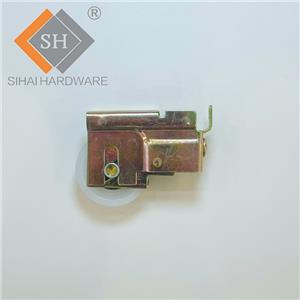
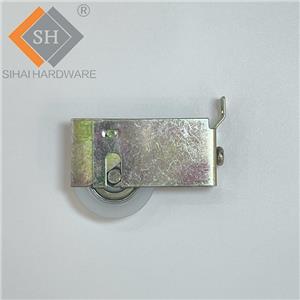
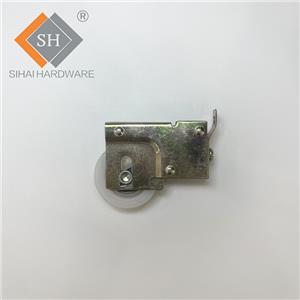
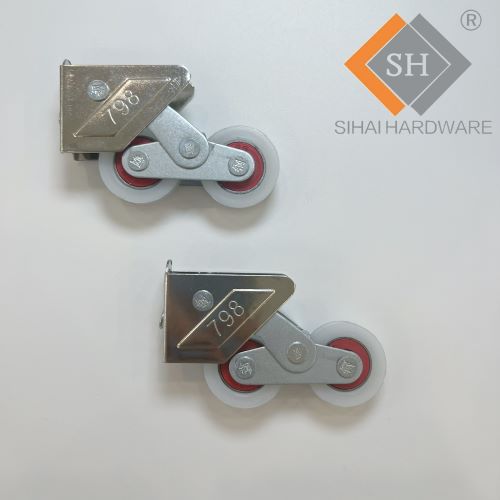
New roller assemblies restore the sliding door to its designed operating condition. The wheel is perfectly round, with a smooth tread that makes continuous line contact with the track. The bearing is factory-lubricated and sealed, offering minimal resistance to rotation. The housing is straight and true, holding the wheel at precisely the correct angle to the track. The result is a return to true rolling motion, where the wheel rotates freely and the only resistance to movement is the small rolling resistance of a hard wheel on a hard surface. The difference in required operating force between a door on worn rollers and the same door on new rollers can be dramatic—a door that required a firm two-handed push may now move with fingertip pressure. This is not a psychological effect. It is the measurable difference between a mechanism that was slowly failing and one that is functioning as designed.
Noise Reduction and Its Causes
The acoustic transformation after a roller replacement is often as striking as the mechanical one. Worn rollers generate a characteristic range of sounds. Flat-spotted wheels produce a rhythmic thumping as the flat section strikes the track with each revolution. Degraded bearings create a grinding or rumbling noise that varies with door speed. Misaligned rollers can squeak or squeal as the wheel edge scrapes against the track wall. Debris embedded in the wheel tread creates an irregular crackling sound as particles are crushed against the track surface. New, correctly specified rollers eliminate all of these noise sources. The smooth wheel rolls silently over the track. The sealed bearing rotates without rumble. The properly aligned housing holds the wheel in clean, uninterrupted contact with the running surface. The resulting quiet is not merely pleasant—it is the signature of a correctly functioning sliding system.
The Effect on Track Wear
Installing new roller assemblies does more than improve the door's immediate operation. It protects the track from accelerated wear. A worn roller with a damaged bearing or a flat-spotted wheel concentrates its load on a smaller contact area and introduces sliding friction where pure rolling should occur. This abnormal contact condition accelerates track wear, scoring the running surface and creating the very irregularities that cause future rollers to wear prematurely. Replacing rollers before they reach the point of severe degradation breaks this cycle. The new rollers, with their correct geometry and free-spinning bearings, distribute the door's weight evenly across the track and roll without sliding. The track, relieved of the abnormal loads imposed by the worn rollers, stops degrading. A timely roller replacement extends the life of the entire sliding system, including the most expensive component to replace—the track itself.
The Psychological Dimension
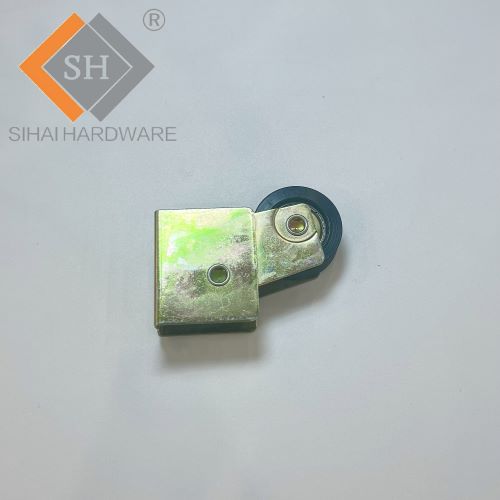
The experience of operating a sliding door on new roller assemblies can be genuinely surprising to building occupants who have grown accustomed to a deteriorating door. The lightness, quietness, and smoothness of the renewed door create an impression that the entire door has been replaced, not just its smallest components. This response has implications for building maintenance planning. When occupants report a sliding door as difficult to operate, maintenance staff should investigate the rollers before considering more expensive interventions such as track replacement or door realignment. In many cases, a simple roller replacement—a task that can be completed in minutes per door—will resolve complaints that were assumed to require major work. The roller is the smallest, least expensive, and most easily replaced component in the sliding door system. It is also the component that, more than any other, determines how the door feels to the person operating it.
When New Rollers Are Not Enough
New roller assemblies will not transform a door's operation if the underlying track is severely damaged. A track that has been deeply scored by years of worn-roller operation will cause even new rollers to rumble and wear prematurely. A track that has been bent or twisted by frame settlement will cause new rollers to bind and skid. A track that is heavily contaminated with embedded debris will transfer that debris into the new roller treads. In these cases, roller replacement must be accompanied by track assessment and, if necessary, track repair or replacement. The new rollers provide the baseline of correct function; the track must provide a surface worthy of that function. When both roller and track are in good condition, the door's operation is transformed. When only the roller is replaced and the track remains damaged, the transformation is partial and temporary.
Conclusion
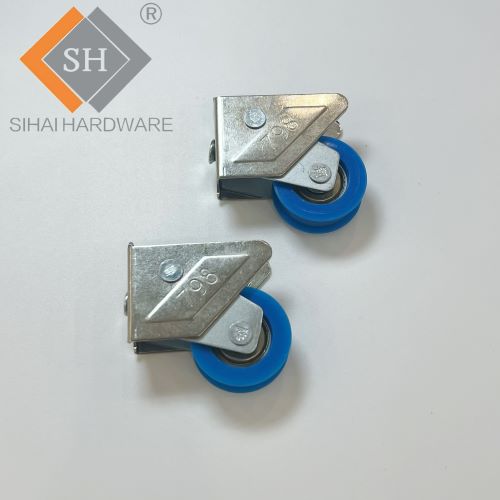
New roller assemblies make a sliding door feel like a different door because the roller is the component through which the user experiences the entire sliding system. The weight of the door, the smoothness of the track, the precision of the bearings—all are communicated to the person operating the handle through the small wheel assemblies hidden inside the door panel. When those assemblies are worn, the door feels worn. When they are renewed, the door feels renewed. The lesson for maintenance planning is to treat roller replacement not as a last resort when the door becomes inoperable, but as a scheduled service task that preserves the door's performance and protects the more expensive components that surround the roller. The roller that costs so little relative to the door it carries, proves itself to be the component that most directly shapes the user's daily experience of the door.